
Gulmarg Wildlife Sanctuary: Beyond the Meadows and Ski Slopes
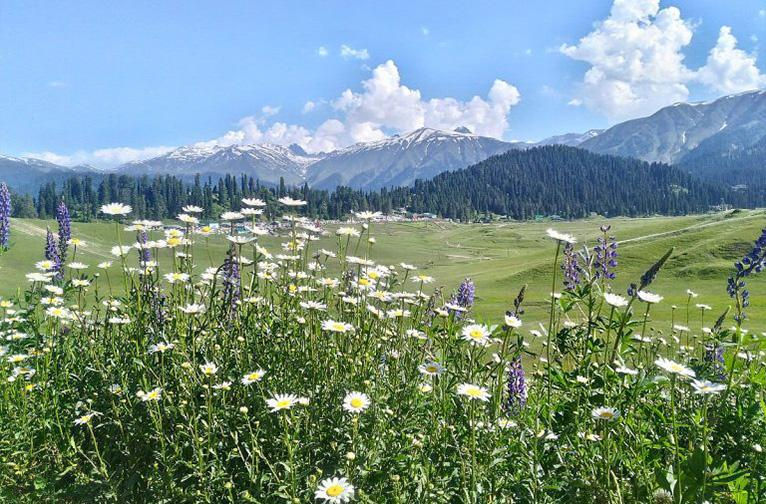
Nestled in the Pir Panjal range of the western Himalayas, Gulmarg is celebrated for its sweeping green meadows, snow-covered mountains and world-famous ski slopes. Every year, visitors are drawn to its breathtaking landscapes, where winter transforms the hills into a playground for skiing and summer reveals carpets of wildflowers against a backdrop of towering conifers. Yet beyond this familiar image of a mountain resort lies another, less explored identity: Gulmarg Wildlife Sanctuary, a protected landscape that shelters a remarkable diversity of Himalayan flora and fauna.
The sanctuary represents an important ecological refuge within Kashmir's mountain environment. Its forests, grasslands and high-altitude habitats support wildlife while performing essential ecological functions, including protecting soil, regulating water flows and maintaining biodiversity. To understand Gulmarg solely as a tourist destination is therefore to overlook a vital part of its natural heritage.
A Protected Landscape in the Pir Panjal
Located in the Baramulla district of Jammu and Kashmir, Gulmarg Wildlife Sanctuary forms part of the forested mountain landscape surrounding the celebrated hill station. Covering approximately 180 square kilometres, the sanctuary encompasses a variety of habitats shaped by elevation, temperature, precipitation and seasonal snowfall.
The terrain rises from temperate forest slopes towards subalpine vegetation and alpine grasslands. This variation creates ecological zones where different species of plants and animals find suitable conditions for survival.
During winter, heavy snowfall covers much of the landscape, restricting movement and food availability for wildlife. As temperatures rise, melting snow replenishes streams, vegetation begins to regenerate and mountain meadows become important seasonal feeding grounds.
These natural cycles demonstrate how closely life in the sanctuary is connected to the rhythms of the Himalayan climate.
Forests That Sustain Mountain Life
One of the sanctuary's most striking features is its rich forest vegetation. Himalayan blue pine, silver fir, spruce, yew and birch grow across different elevations, creating habitats that support a complex network of plants, animals and microorganisms.
These forests perform essential ecological functions. Tree roots help stabilise mountain slopes, vegetation reduces soil erosion, and forest soils absorb and gradually release water into surrounding streams. The sanctuary's plant diversity is particularly remarkable. A scientific study published in the Nordic Journal of Botany in 2023 documented 364 species of vascular plants, representing 227 genera and 74 families. Of these, 161 were native to the Himalayan region, including 82 species identified as endemic.
Such findings demonstrate that Gulmarg's ecological importance extends far beyond its scenic beauty. Its forests and alpine habitats preserve valuable botanical diversity, including species adapted to specialised mountain environments.
The Elusive Wildlife of Gulmarg
Beyond the bustling tourist areas, the sanctuary provides habitat for an extraordinary range of Himalayan wildlife. Among its most significant inhabitants is the Kashmir musk deer, a shy forest-dwelling mammal known for its distinctive appearance and elusive behaviour. Unlike most deer, male musk deer possess elongated canine teeth rather than antlers. The species faces threats from poaching, habitat disturbance and fragmentation.
The sanctuary also supports Asiatic black bears, Himalayan brown bears, common leopards, red foxes, leopard cats and the Kashmir flying squirrel. These animals occupy different ecological niches, contributing to predator-prey relationships, seed dispersal and the wider functioning of forest ecosystems.
Many remain difficult to observe because they are naturally secretive, inhabit remote terrain or are most active during quieter periods. Their presence nevertheless illustrates the importance of maintaining large, connected habitats where wildlife can feed, reproduce and move with minimal disturbance.
A Sanctuary for Himalayan Birds
Gulmarg's forests and mountain slopes also support a remarkable diversity of birdlife.
Among the species recorded are the golden eagle, bearded vulture, Himalayan monal, snow pigeon and Kashmir flycatcher. Each occupies a particular place within the mountain ecosystem. Raptors help regulate prey populations, scavenging birds contribute to the removal of animal remains, and insect-eating birds influence insect communities.
Birds also offer an accessible way of understanding biodiversity. Their calls, seasonal movements and changing activity patterns provide valuable opportunities for environmental observation and education. For young learners, birdwatching can transform an ordinary walk through a forest into an exploration of ecology, encouraging patience, curiosity and respect for wildlife.
Meadows, Wildflowers and Alpine Ecology
Gulmarg's celebrated meadows are more than picturesque open spaces. They form part of an interconnected ecological landscape. During spring and summer, seasonal wildflowers emerge across grasslands and alpine slopes, attracting insects and other pollinators. These flowering plants contribute to mountain food webs and support the reproduction of many plant species. At higher elevations, vegetation becomes increasingly specialised. Plants must survive strong winds, intense sunlight, low temperatures and short growing seasons.These adaptations make alpine ecosystems particularly fascinating, but also vulnerable to environmental change.
Rising temperatures can alter flowering periods, snowmelt patterns and the distribution of plant communities. Heavy trampling, unregulated grazing and disturbance from recreational activities can further affect sensitive vegetation. Protecting these landscapes requires recognising that even seemingly resilient mountain meadows depend on delicate ecological relationships.
Tourism and the Challenge of Conservation
Gulmarg's popularity presents both opportunities and challenges. Tourism supports livelihoods, generates employment and introduces visitors to the natural beauty of Kashmir. However, expanding infrastructure, waste generation, vehicle movement and increasing recreational activity can place pressure on fragile mountain environments.
The Wildlife Institute of India's management evaluation identifies tourism pressures and the need for stronger coordination among the agencies responsible for managing the sanctuary.
Unregulated movement through sensitive habitats can disturb wildlife, damage vegetation and accelerate soil erosion. Construction and habitat fragmentation may also affect the movement of animals between forested areas.
Responsible tourism therefore requires thoughtful planning, effective waste management, designated visitor routes and careful regulation of activities near sensitive habitats.
The objective need not be to separate people entirely from nature, but to ensure that recreation does not undermine the ecosystems that make Gulmarg extraordinary.
Conservation Through Education and Community Participation
Protecting Gulmarg Wildlife Sanctuary requires more than legal designation.
Scientific monitoring, habitat restoration, responsible tourism and community participation are all essential to long-term conservation. Local communities possess valuable knowledge of seasonal changes, forest resources, wildlife movements and mountain conditions. Their participation can strengthen conservation initiatives while ensuring that environmental protection remains connected to local livelihoods.
Education offers another important pathway. Nature walks, wildlife illustration, ecological storytelling and community exhibitions can help children understand the relationships between forests, animals, water and human activity. Through art-based environmental education, young people can explore biodiversity not simply as scientific information but as a living system worthy of curiosity, empathy and care. Such experiences can encourage a deeper sense of responsibility towards the natural world.
Beyond the Meadows and Ski Slopes
Gulmarg is often remembered through images of snow-covered slopes, colourful wildflowers and magnificent mountain views. Yet its ecological significance lies in the quieter landscapes beyond these familiar scenes.
Within its forests, musk deer move through dense vegetation, birds occupy the mountain canopy, and alpine plants survive in demanding climatic conditions. Streams descend from higher elevations, connecting mountain habitats with communities and ecosystems below.
Together, these elements form a living ecological network whose value cannot be measured through tourism alone. Gulmarg Wildlife Sanctuary reminds us that the landscapes we admire for their beauty are also complex environments sustaining countless forms of life.


Comments